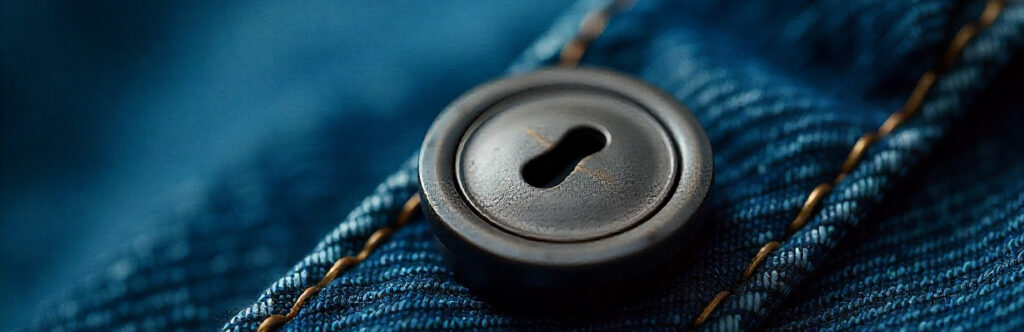
Buttons have always been more than simple fasteners. In the world of apparel—especially denim, outerwear, and rugged garments—jeans buttons, metal buttons, and Metal ID buttons hold a unique position. They are functional, durable, decorative, and capable of defining a product’s identity. From their strong structural build to their aesthetic versatility, metal-based buttons have shaped fashion for decades.
In this comprehensive guide, we explore what jeans, metal, and Metal ID buttons are, their types, materials, manufacturing process, applications, finishes, customization options, quality considerations, and why they remain essential in global fashion.
This SEO-friendly article is designed to support manufacturers, designers, sourcing managers, retailers, and fashion brands looking to understand or select the perfect metal-based fasteners for their products.
Jeans buttons—also called tack buttons—are specifically designed for denim garments. Built for extreme strength, these buttons withstand high tension and daily wear. They are made of two parts:
Unlike regular sew-on buttons, jeans buttons are mechanically attached, creating a permanent and durable closure.
Metal buttons include a wide range of functional and ornamental fasteners made from various metals or alloys. These buttons are used in jackets, trousers, shirts, uniforms, bags, and accessories.
They come in multiple styles, including:
Metal ID buttons are specialized buttons designed with logos, initials, brand marks, serial numbers, or engraved identities. They function as branding elements and are commonly used by:
Metal ID buttons help brands build recognition through customized identifiers.
Metal buttons are favored across the industry because they offer:
Metal fasteners outlast fabric and remain intact for years, making them ideal for heavy-duty clothing.
Metallic finishes—gold, silver, antique, brushed, or matte—elevate garment value instantly.
Buttons act as micro-billboards, where brands highlight logos or themes.
Suitable for jeans, jackets, coats, workwear, backpacks, belts, and more.
They withstand industrial laundry, bleaching, and heat.
Because of their combined practicality and fashion appeal, metal buttons are integral to both mass production and luxury apparel.
Here is a breakdown of the most popular types you will encounter:
These sturdy buttons are used in:
They typically measure 14mm–20mm depending on garment design.
Snap buttons consist of four parts (cap, socket, stud, post). They “snap” together instead of sewing.
Used widely in:
Available in ring snaps, spring snaps, and heavy-duty snaps.
A shank button has a loop at the back where thread passes through.
Ideal for:
They add a premium, elegant look and are often engraved or molded with designs.
These are primarily aesthetic, featuring:
Used in fashion-forward outfits and accessories.
Custom-made with brand identity in mind. They can include:
Many fashion houses use Metal ID buttons as a proof of authenticity.
The choice of material affects durability, finish, and cost.
A high-quality button requires several precise steps:
CAD software is used to develop:
Metal sheets or alloys are melted, cast, or stamped into blanks.
Designs are embossed or engraved using:
To create a smooth, professional surface.
Finishes are applied such as:
Premium brands may use multi-layer plating for scratch resistance.
Tack and nail or snap components are assembled in machines.
Checking for:
Buttons are counted and packaged in poly bags, blister boxes, or brand-labeled packaging.
Finish contributes greatly to the look and feel.
Antique gold, bronze, or silver gives a vintage, rugged look—perfect for denim.
Bright and polished—great for shirts, jackets, and uniforms.
Modern, stylish, and scratch-resistant.
Trendy and bold; used for modern denim and streetwear.
Warm, timeless, and premium.
Colored enamel adds contrast and brand visibility.
These buttons are used across nearly all apparel categories.
High-end brands use custom Metal ID buttons to maintain exclusivity.
Fashion brands prefer customized metal buttons to strengthen identity.
Options include:
With customization, metal buttons become an extension of branding.
Before selecting, consider:
Heavy denim needs tack buttons; suits need shank buttons.
Thinner fabrics require lightweight metal buttons.
Industrial workwear needs rust-proof stainless steel.
Iron and aluminum are economical; brass and zinc alloy are premium.
Consider whether you want logo engraving or ID markings.
Choose electroplating types that withstand washing, abrasion, and sweat.
These advantages make them indispensable to the garment industry.
Recycled zinc and aluminum are gaining popularity.
Modern fashion favors sleek, matte, and simple layouts.
More brands prefer crisp laser logos over traditional stamping.
Hidden marks, QR engravings, and micro-etching are rising.
Antique bronze and oxidized silver are making a comeback.
Jeans, metal, and Metal ID buttons are essential components in the apparel industry—not just for function but also for branding, aesthetic appeal, and garment durability. From rugged denim to premium designer wear, these buttons elevate both performance and style.
Whether you’re a fashion brand, manufacturer, or designer, understanding the varieties, materials, finishes, and customization options can help you choose the right buttons that enhance your product’s identity and longevity.
Leave a Reply