
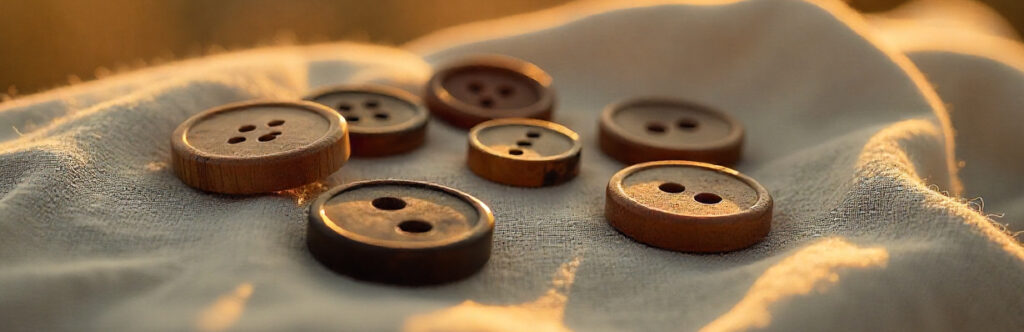
Real wood buttons have always held a special place in the world of fashion, craftsmanship, and eco-friendly design. Unlike synthetic materials that flood modern manufacturing, wood buttons offer something truly rare—authenticity, warmth, texture, and sustainability. Whether paired with luxury garments, handcrafted accessories, home décor, or eco-conscious fashion lines, real wood buttons add unmatched character and a natural aesthetic that stands out.
In this ultimate guide, we dive deep into everything you need to know about real wood buttons—their types, manufacturing process, uses, benefits, maintenance, and tips for choosing the right ones.
Real wood buttons are garment fasteners made from solid pieces of natural wood. They are crafted from a variety of tree species and come in different shapes, sizes, textures, and finishes to suit various design needs.
Wood buttons are widely used in:
Their growing popularity is linked to rising awareness of sustainable fashion, as wood is a natural, biodegradable, and renewable resource.
Wood buttons have a luxurious yet earthy charm that is difficult to replicate using plastic or metal. What makes them special includes:
Every piece of wood has its own grain pattern, meaning each button is inherently one-of-a-kind.
Unlike plastic buttons, real wood buttons break down naturally and leave no harmful residue.
They add visual appeal without adding weight to the fabric, making them ideal for clothing and accessories.
When treated and finished properly, wood buttons last for years—even on frequently worn garments.
From rustic and vintage to polished and modern, wood buttons are versatile enough to complement any design aesthetic.
Different woods offer different textures, shades, and durability. Here are some of the most commonly used woods for making buttons:
Known for its natural spotted texture, coconut wood buttons are eco-friendly and affordable.
Highly durable with beautiful swirling grain patterns, perfect for artisanal garments.
Smooth, light-colored, and ideal for engraving or painting.
Dark, rich, and luxurious—often used in premium garments.
A fast-growing renewable resource with a clean and minimal look.
Rare and expensive, ebony buttons are highly polished and deep black, suitable for luxury fashion.
Lightweight, smooth, and commonly used for everyday apparel.
Each wood type brings its own personality, allowing designers to choose buttons that enhance their creations.
The making of wood buttons is a combination of craftsmanship, precision, and eco-conscious artistry. Here’s an overview of the process:
Craftsmen choose wood blocks based on:
Hardwoods are typically used for their strength.
The wood is sliced into small pieces and shaped using lathes or button-cutting machines.
Buttons may have:
The hole pattern affects both design and functionality.
Buttons undergo fine sanding for smooth edges and a polished finish.
To protect the button and enhance appearance, craftsmen may apply:
Some buttons are left unfinished for an authentic rustic look.
Each button is inspected to ensure:
Only high-quality pieces move forward for packaging and sale.
Whether you’re a designer, brand owner, or DIY creator, wood buttons offer many benefits:
Wood is renewable and biodegradable—ideal for ethical fashion brands.
Wood ages beautifully, offering a warm, organic feel that never goes out of style.
Suitable for modern, rustic, vintage, boho, or minimal designs.
Wood doesn’t cause irritation, making it suitable for sensitive skin.
Properly finished wood buttons resist cracking and last long, even with regular use.
Real wood buttons are used across various industries because of their versatility.
Perfect for:
Their natural look pairs well with cotton, wool, linen, denim, and knitted fabrics.
Used in handbags, totes, clutches, hats, and scarves.
Crafters often use wooden buttons for:
They are commonly added to:
As the fashion industry shifts toward greener practices, real wood buttons have become a top choice for eco-conscious designers. They align with sustainability goals because:
Brands that use natural materials often pair wood buttons with:
This combination enhances both sustainability and aesthetic appeal.
To select the perfect wooden buttons, consider the following:
Large buttons create a bold statement, while small ones offer subtle charm.
Dense hardwood for durability, or soft wood for lightweight designs.
Choose raw for rustic appeal, or polished for a premium look.
Natural shades range from light beige to deep brown and black.
Outerwear requires stronger buttons, whereas baby clothes need smooth, lightweight ones.
Maintaining wooden buttons is simple but important:
Wood can absorb water, causing swelling or cracking.
Washing in gentle cycles helps extend longevity.
A light coat of coconut or olive oil can restore shine.
Do not iron directly on wood buttons—they may burn or discolor.
Keep them in a dry environment to prevent moisture damage.
Current fashion trends highlight:
Real wood buttons perfectly match all these trends, making them one of the most popular choices for designers, manufacturers, and small-scale creators alike.
Real wood buttons are more than just functional fasteners—they are design elements that bring warmth, character, and sustainability to any creation. Their natural beauty, combined with their eco-friendly qualities, makes them a preferred choice for modern designers and conscious consumers.
Whether you’re designing a premium fashion line, working on a DIY craft project, or simply looking for durable and stylish buttons, real wood buttons offer a unique charm that elevates every product.
Leave a Reply